
School Blog Archives


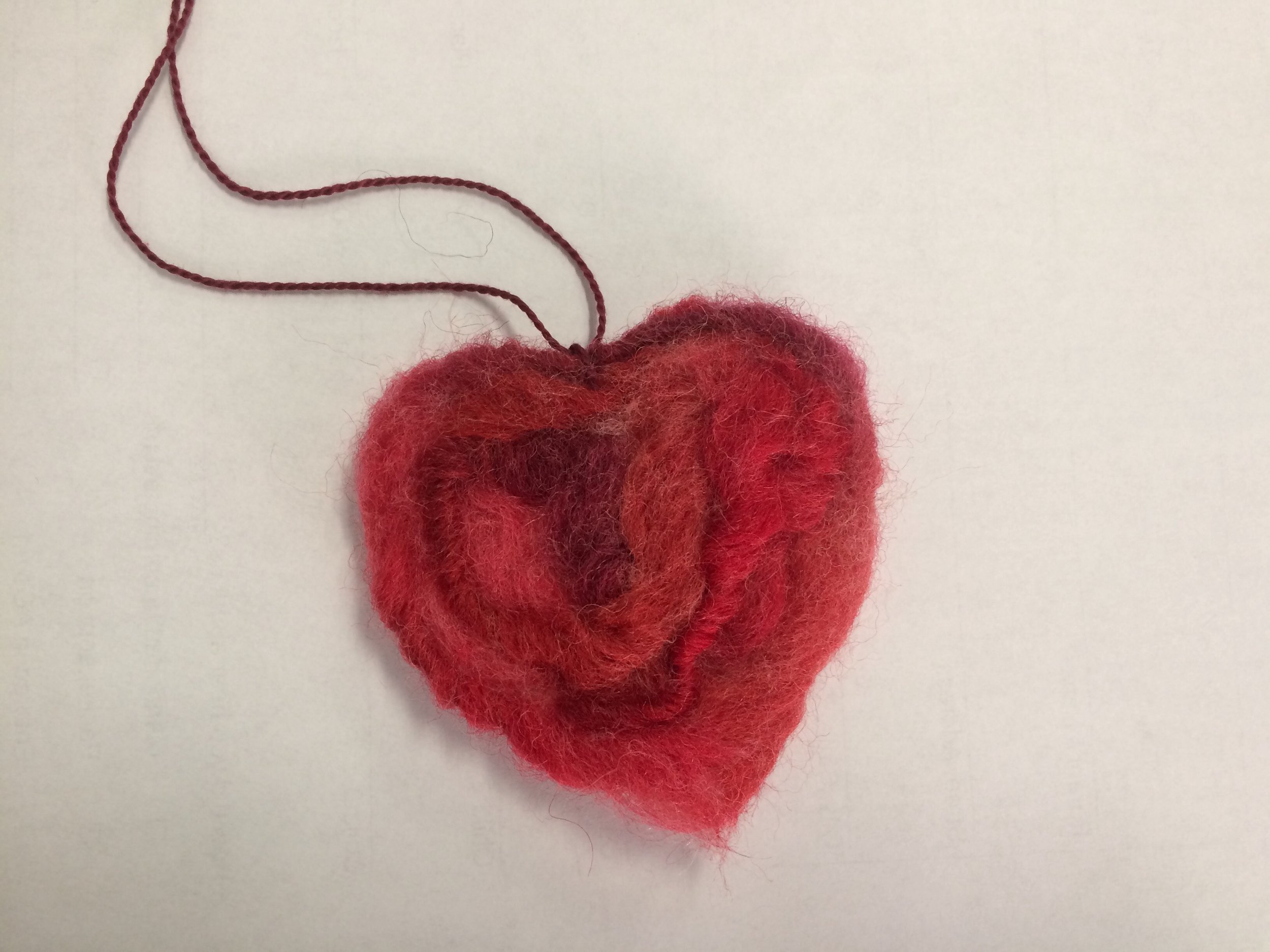


On the very first day of school, our first grade children were presented with the polarity of two kinds of lines - straight lines and curves. Throughout the year they will see the infinite variety of forms that can be created out of these simple elements.
In some respects, Form Drawing is the most important subject that the children will study in first grade, for it provides a good foundation for the letter recognition that is so central to reading, as well as numerical and spatial relationships that are so essential in arithmetic. The drawings themselves could not be any simpler. All year we work with only two elements of drawing - straight lines and curves.

A few weeks ago, middle school students in our marine ecology elective at the Waldorf School of Cape Cod demonstrated a wonderful example of how Waldorf education is inspiring scientific curiosity in our students.
Our middle school grades (Classes 6-8) have the opportunity to take an elective class on Friday afternoons. Many of these classes are taught by members of our parent community.
One of the choices for the Fall session this year is Marine Ecology. Dr. Joy Lapseritis, scientist and member of our parent community, introduced students to the relationships of organisms with the marine environment through experiments and observations. Over the course of 5 weeks, the class was engaged in asking questions and observing diverse organisms such as mollusks, horseshoe crabs, and marine mammals. These organisms offered entry-points to discuss animal classification, coastal and open ocean ecosystems, life cycles and food webs, and interactions between human development and local estuaries.
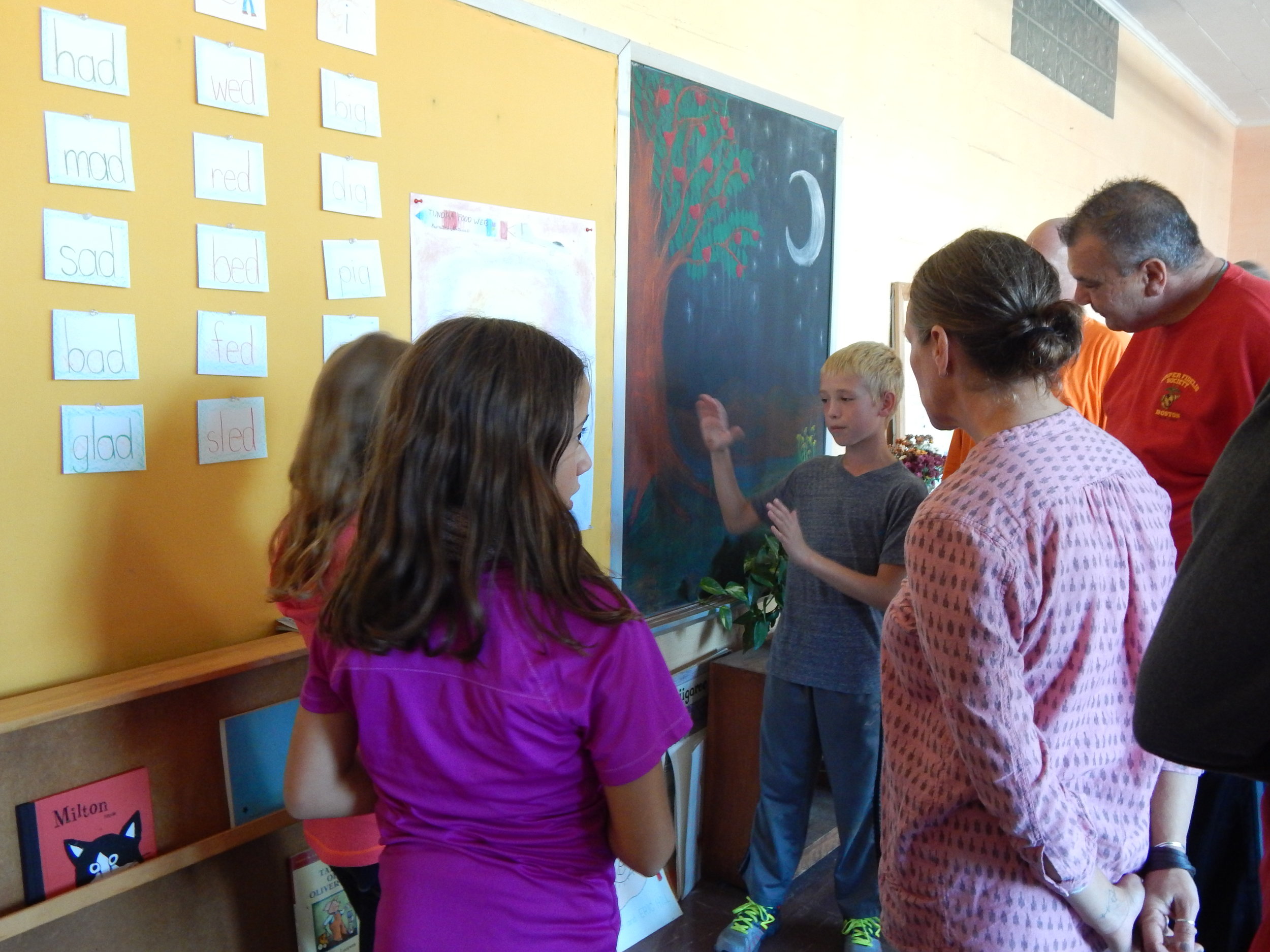
Fifth grade students may not be ready to write research papers but they are ready to make their first steps in that direction. Our Fifth grade students had their first introduction to group research work this Fall. Some liked working in groups and others were challenged by this work. When asked about this, Fifth grade teacher, Mr. Schofield says:
“I feel an obligation to introduce my fifth grade students to group work. I feel Waldorf Education can potentially produce individuals who are creative scientists and mathematicians. That is what I am trying to achieve.”
- Mark Schofield, Class 5 Teacher
Our fifth grade curriculum has North American Geography as a topic for grade five. Mr. Schofield, thought the idea of studying biomes (ecological communities) went nicely with their study of plants this year and animals last year.

Here at the Waldorf School of Cape Cod, we garden together as a community. We have been gardening at WSCC for at least 25 years, but the addition of the lunch program sparked a new level of commitment to growing food in a quantity that would provide useful parts of the menu.
Our Seed to Table Meals
Before we had a lunch program, my goal as a gardening teacher was to grow a wide variety of plants. Our harvests sometimes became a salad prepared and eaten in third grade. I often sent food home with children and sometimes this made its way into dinner and at other times a child would tell me that her lost carrots were found shriveled in the back of the car. It is wonderful to know all the good, organic food we grow will be eaten - in Chef Peet's lunch, in the Wednesday take home meals, as snack during our weekly faculty meetings or via veggie sales in the lobby.
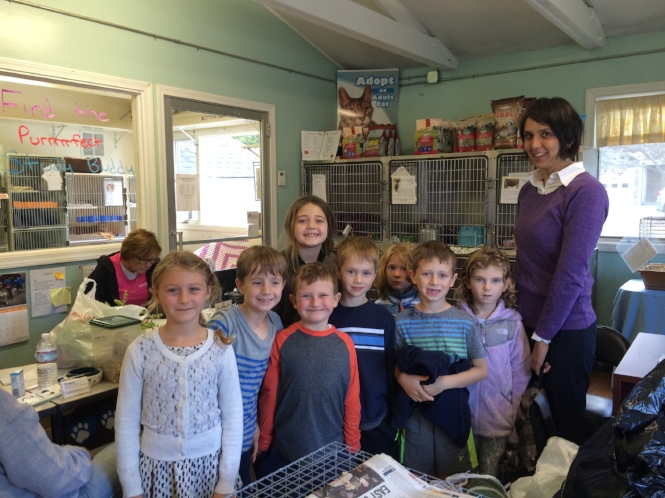
Second grade teacher, Ieeda Rico, shared the story of Saint Francis in The Wolf of Gubbio with her students. The story is one of forgiveness and compassion for humans and animals alike.
After she shared this story, the class visited some local animals in need at the MSPCA. The children brought items to the animals that the shelter requested to provide them with the care they need. This act of selflessness and compassion towards the animals was a way for the students to relate what they learned about Saint Francis to their own experience. When children are given this opportunity, they are interested, alive, and what they learn becomes their own. Waldorf schools are designed to foster this kind of learning.
“The children were so excited to have an opportunity to bring their individual gifts to the shelter, and meet the animals and staff that would directly benefit from their thoughtfulness. What a great way to directly experience the story and lessons of true compassion and giving that we are taught by great individuals in history, like St. Francis.”
Ms. Rico, Second Grade Teach, WSCC
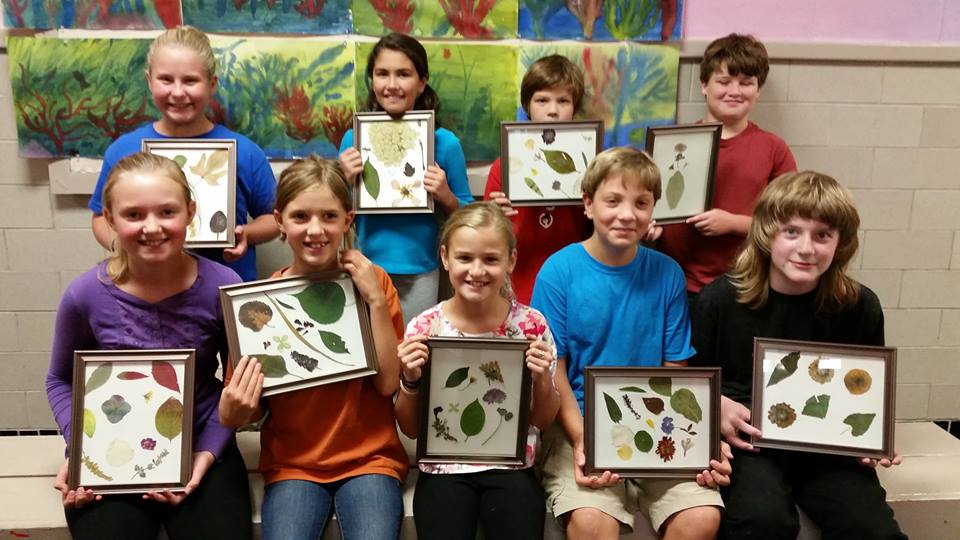
Fifth graders are in the middle of their 8 year elementary school journey. They are not yet Middle School age and they have moved beyond most of the basic learning that they have mastered in their first four years of school. They are ready to become more independent and begin to take responsibility for their own learning. In deference to this change, I try to address them as ‘students’ not ‘children’.
They are ready to become more independent and begin to take responsibility for their own learning. In deference to this change, I try to address them as ‘students’ not ‘children’.
- Mark Schofield
This change is also reflected in the Waldorf Curriculum for grade five. Last year we began to look at our school, our communities and our local areas Through our local history and geography blocks. We explored our neighborhood and learned about the history and geography Cape Cod. At the end of the year we began to study Massachusetts and looked at the geography of New England.